The Real Origin of 420: The Waldos (1971)
The most widely accepted origin of 420 begins in 1971 at San Rafael High School in Marin County, California. A group of five friends—Steve Capper, Dave Reddix, Jeffrey Noel, Larry Schwartz, and Mark Gravich—called themselves “The Waldos.” They earned this nickname because they regularly hung out near a wall outside their school.
One day, the group heard rumors about an abandoned cannabis crop somewhere near Point Reyes, California. According to the story, a friend had a hand-drawn map pointing to the hidden grow site. Curious and adventurous, the group decided to try and find it.
They chose a specific time to meet after school:
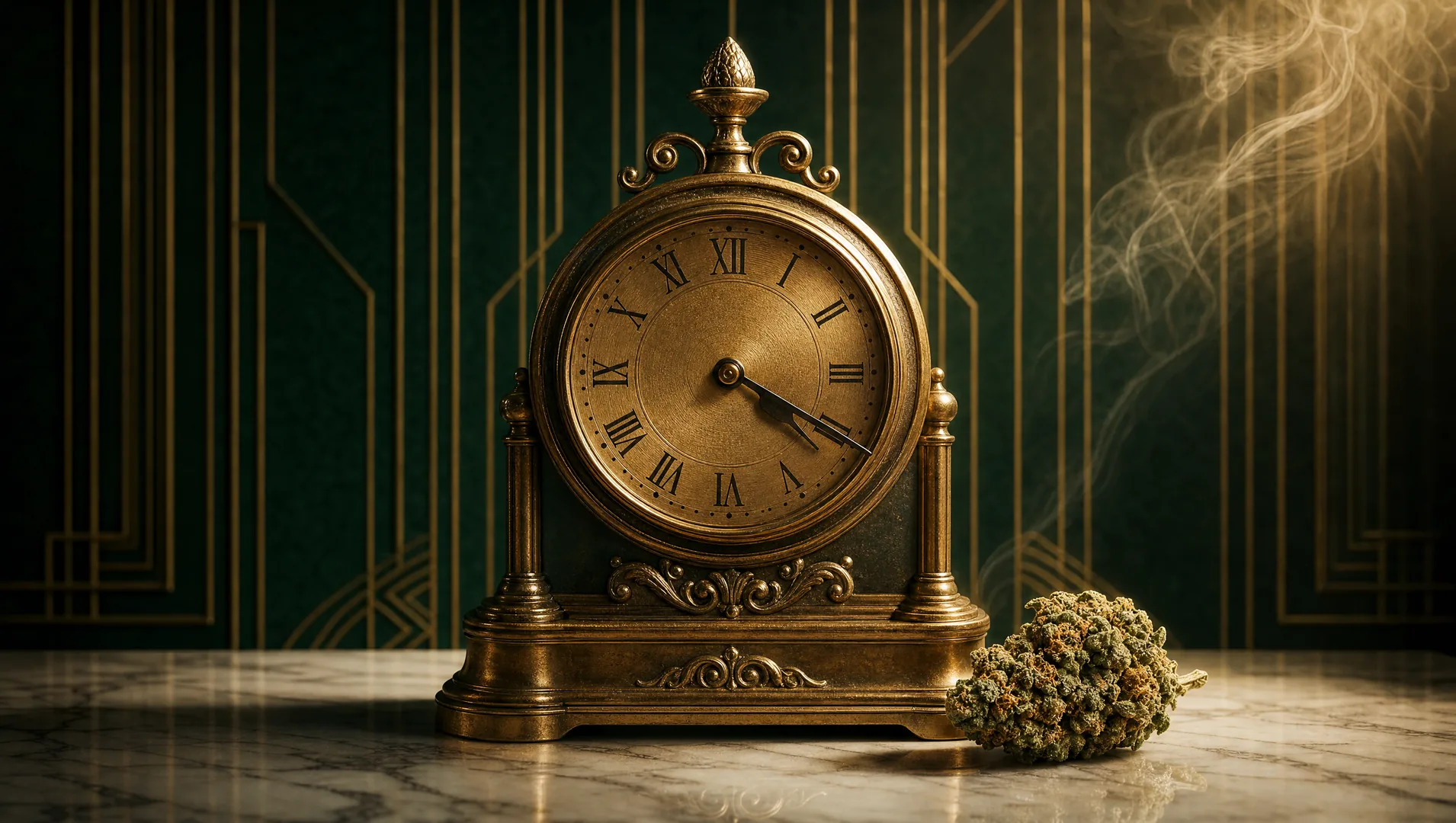
4:20 PM.
Their meeting spot was the statue of Louis Pasteur on the school campus, and they used the phrase “4:20 Louis” as a code to signal it was time to meet and search for the mysterious cannabis patch.
Although the group never actually found the rumored crop, something important happened:
The phrase “4:20” became their private code word for smoking cannabis.
Eventually they shortened it simply to “420.”
How 420 Spread Beyond Their Friend Group
For several years, “420” remained an inside joke among the Waldos and their close friends. But the phrase eventually spread beyond their high school circle due to a unique cultural connection.
Some members of the Waldos had ties to the legendary rock band Grateful Dead, a group deeply associated with the 1960s and 1970s counterculture movement. Through friends and family connections, the phrase 420 started circulating among Deadheads and music fans.
During concerts and backstage gatherings, the phrase began appearing in conversations and flyers.
One famous flyer circulated in 1990 at a Grateful Dead concert in Oakland, inviting people to meet at “4:20 on 4/20” to smoke cannabis together.
This moment helped transform a small local code into a cultural phenomenon.
High Times Magazine and the Birth of the 420 Holiday
The term might have stayed underground if it weren’t for High Times magazine, one of the most influential cannabis publications in the world.
In the early 1990s, High Times began referencing 420 after receiving the Grateful Dead concert flyer promoting the gathering. Once the magazine printed the term, it spread quickly throughout cannabis culture.
As the phrase became more widely known, two meanings emerged:
4:20 PM – the time of day associated with smoking cannabis
April 20 (4/20) – the date celebrated as cannabis culture’s unofficial holiday
By the mid-1990s, 4/20 had evolved into a worldwide cannabis celebration.
Debunking the Biggest 420 Myths
Because the number became so popular, many myths emerged about its origin. Here are some of the most common misconceptions:
Myth #1: 420 Is a Police Code for Marijuana
Many people believe police use “420” as a code for cannabis-related crimes. This is false. No major police departments use 420 as a radio code.
Myth #2: Cannabis Has 420 Chemical Compounds
Another myth claims the plant contains 420 active chemicals. In reality, cannabis contains hundreds of compounds, and the number changes as research evolves.
Myth #3: It Comes From Bob Dylan’s Song
Some people claim the number comes from Bob Dylan’s song “Rainy Day Women #12 & 35” because 12 × 35 = 420. This theory has never been historically supported.
The Waldos origin story remains the only explanation backed by evidence and documentation.
420 Today: A Global Cannabis Celebration
What began as a private code among five friends has become a global cannabis holiday celebrated every year on April 20th.
Across North America and around the world, people mark the day by:
- Attending cannabis festivals
- Advocating for legalization
- Supporting local dispensaries
- Sharing cannabis culture with friends
Large 420 celebrations now occur in cities like Denver, San Francisco, Vancouver, and Toronto, attracting thousands of attendees each year.
For legal cannabis businesses, 420 is also one of the largest retail days of the year, similar to Black Friday for the cannabis industry.
What 420 Means in the Legal Cannabis Era
Decades ago, cannabis users needed secret codes like “420” because marijuana was illegal almost everywhere. Today, legalization has transformed the industry.
Consumers can now purchase tested, regulated cannabis products from licensed dispensaries rather than underground markets.
At NY Elite Cannabis in Bayside, Queens, our mission is to honor cannabis culture while providing safe, high-quality legal products to our community. As a licensed New York dispensary, we celebrate 420 not just as a holiday—but as a symbol of how far the cannabis movement has come.
The Legacy of 420
More than 50 years after the Waldos coined the phrase, 420 remains the most recognized symbol in cannabis culture.
What started as a simple meeting time among friends became:
- A global cannabis code
- A cultural movement
- An annual celebration of legalization and progress
And every April 20th at 4:20 PM, millions of people around the world still honor that original tradition.
Learn More About Cannabis Culture
If you want to explore more about cannabis products, education, and culture, visit the NY Elite Cannabis menu and discover premium flower, concentrates, and accessories available legally in New York.